
How handcrafted soap becomes an engine of economic independence.
Hygiene Heroes equips young and single mothers aged between 13 and 25 years with the practical skill of making handcrafted, environment-friendly bar soaps. This project is focused on direct consumer sales through local markets with a stable profit margin to ensure long-term sustainability.
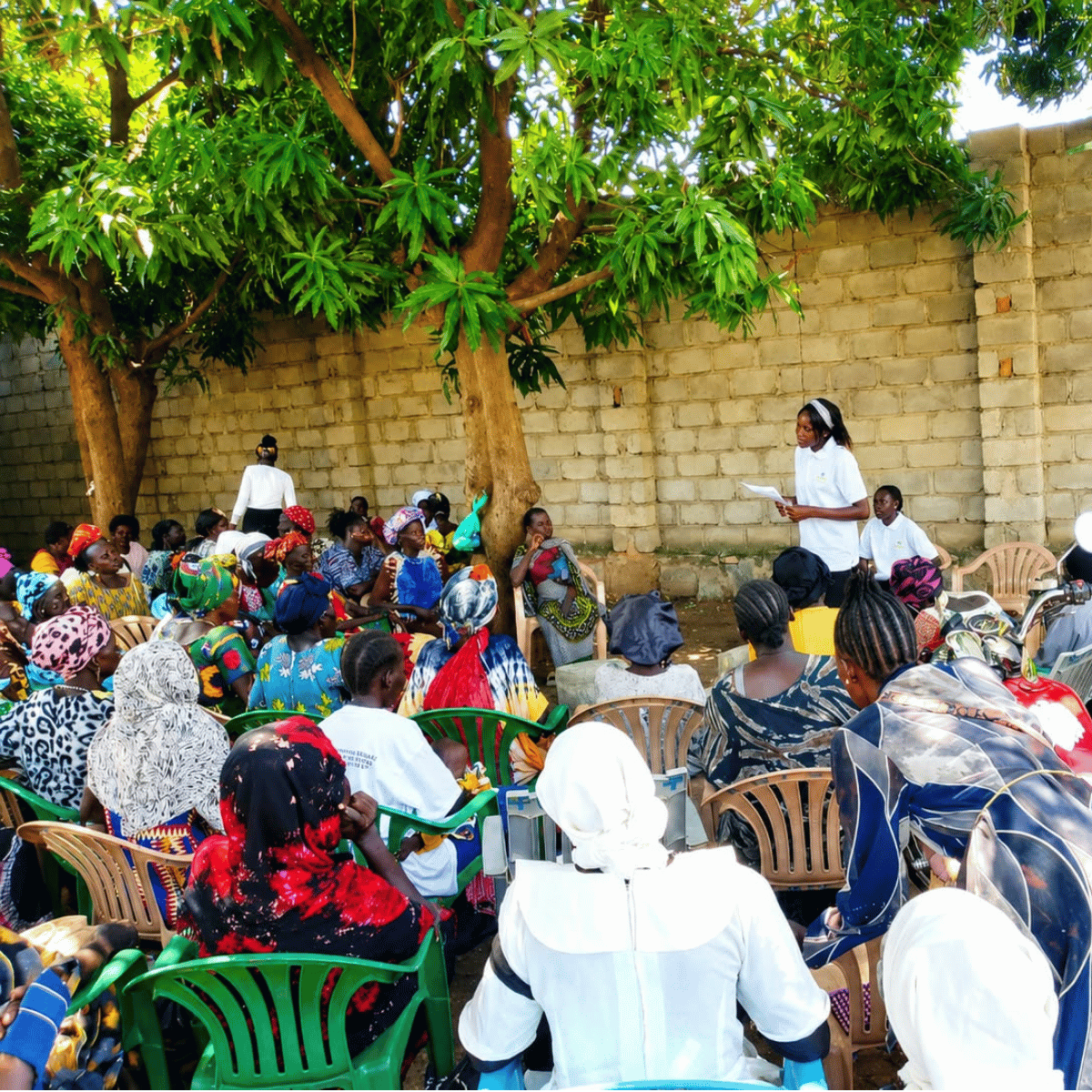
Connecting vocational training to generational health and income.
Why does our approach succeed where conventional aid programs stall?
Skills Development & Chemistry Training
Artisans undergo intensive hands-on instruction covering cold-process saponification, safe lye dilution, stoichiometric oil-to-alkali ratios, pH verification, and hygienic batch management. Graduates earn a recognized certification in small-scale sanitary soap manufacturing.
Handcrafted Botanical Production
Community workshops produce clinical-grade cleansing bars using regional agriculture: cold-pressed moringa oil, unrefined shea butter, anti-inflammatory neem, and ground colloidal oats. Bars are poured into wooden and silicone slab molds and slow-cured for six full weeks.
Environmental Responsibility
Industrial detergent manufacturing consumes massive water volumes, releases petrochemical phosphates, and uses non-recyclable plastic bottles. Our soaps are solid, 100% biodegradable, phosphate-free, and packaged exclusively in post-consumer recycled kraft sleeves with natural jute twine.
Local Market & Institutional Distribution
Instead of selling to far-off luxury markets, soaps primarily serve local community hygiene needs. Cooperative hubs establish direct recurring supply contracts with district clinics, primary schools, daycares, and community open-air markets at affordable, non-exploitative pricing.
Economic Empowerment & Poverty Eradication
Every dollar generated stays within the community. Artisans earn transparent living wages well above regional minimums. Surplus revenues are allocated democratically to emergency family health funds, clean water well maintenance, and micro-loans to finance new workshop equipment.
Community hubs and direct local market sales.
Rather than constructing expensive industrial factories, Hygiene Heroes designs standardized, low-footprint vocational production hubs. Each hub utilizes solar-powered or passive ambient curing, stainless steel molds, precision digital scales, and natural drainage filtration.
Focused on direct consumer sales through local markets with a stable profit margin, young mother cooperatives determine production runs, manage local ingredient sourcing with oilseed pressers, and build lasting financial sovereignty.
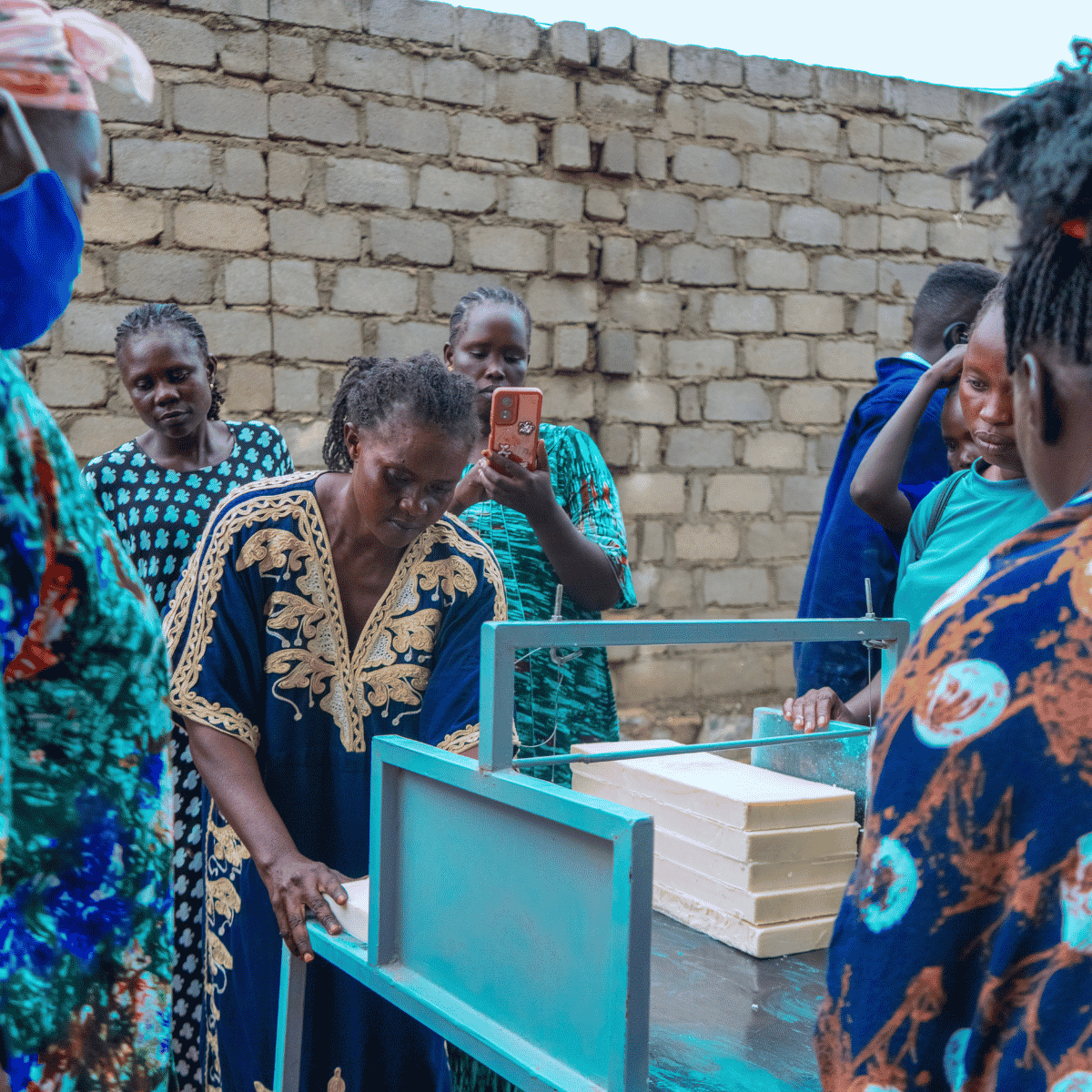
Measurable impact of our vocational training methodology.
Voices from the Workshop
Real stories of health transformation, dignified employment, and economic sovereignty from our partner cooperatives.